
Partner News & Resources
Technology Planning & Procurement
What is R2v3 Electronics Recycling, and Why Do I Need It?
13 May 2026
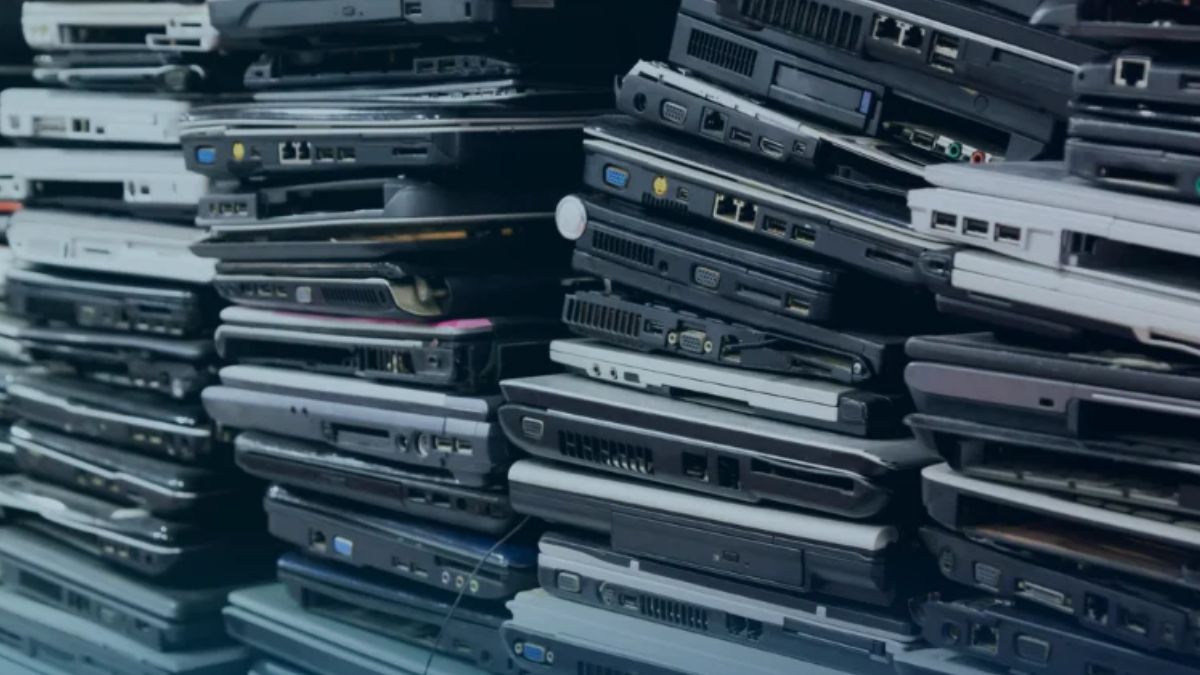
When it comes to disposing of corporate IT assets, there is a massive difference between “ewaste recycling” and “certified ewaste recycling.” If your organization is looking to properly recycle its IT assets, you have likely come across the term R2v3.
R2v3 is the latest Responsible Recycling standard by SERI, the global benchmark for the electronics recovery and recycling industry. But it isn’t just a badge for the recycler; it is a critical safeguard for your business.
Here is a breakdown of what R2v3 actually means and why it should be a non-negotiable requirement for your next IT asset disposition (ITAD) project.
What exactly is R2v3?
The R2v3 standard is managed by SERI (Sustainable Electronics Recycling International) and ensures that electronics are managed in a way that protects the environment, worker health, and data security. R2 is the most widely adopted standard for used electronics, and with the R2v3 version, it continues to set the standard for electronics reuse and recycling worldwide.
R2v3 focuses on the Circular Economy. It prioritizes the repair and reuse of devices to extend their lifespan before they are ever broken down for raw materials.
Why does your business need an R2v3 partner?
1. Eliminating Downstream Liability
Many businesses don’t realize that they can be held legally and financially responsible for their e-waste even after it leaves their facility. If a middleman illegally dumps your old monitors or batteries, the trail can lead back to you.
-
The R2v3 solution. Using a certified partner like CTL ensures strict “downstream accountability.” Every vendor in the chain is vetted to verify that no toxic materials end up in a landfill — or are exported illegally.
2. Verified Data Security
While recycling is often thought of as a physical process, R2v3 also emphasizes data protection. Not all R2 certified facilities carry the additional data sanitization designation, known as Appendix B, so be sure to check with your ewaste recycling provider.
-
The R2v3 solution. It mandates rigorous logical and physical data destruction protocols. An R2v3-certified partner must prove they have the systems in place to ensure that every hard drive, flash drive, or other media is certifiably wiped or destroyed.
3. Data for Your ESG and Sustainability Reporting
Modern organizations are increasingly required to report on their Environmental, Social, and Governance (ESG) goals.
-
The R2v3 solution. Working with an R2v3 partner provides you with an audit trail. You receive documentation that proves your hardware was handled according to the highest environmental standards, giving you concrete data for your annual sustainability reports.
Additionally, all R2 facilities are audited by the Certification Bodies, which decide whether a facility meets the R2 Standard. SERI certifies the Certification Bodies, which in turn certify the facilities. SERI does not have any approver role in facility-level certification decisions, which preserves objectivity and integrity.


Amanda Bruns
Member Engagement Manager, Learning Technology Center
Amanda leads LTC Purchasing Program's member engagement by driving membership growth and support through strategic programs and statewide outreach, ensuring schools across Illinois realize substantial financial benefits.